
In today’s fast-paced digital world, the way businesses connect with customers has completely transformed. Traditional marketing methods like newspapers, television, and billboards are no longer enough to capture attention. Instead, digital marketing has emerged as the most powerful tool for reaching, engaging, and converting customers.
Whether you run a small business, a startup, or a large company, digital marketing plays a crucial role in your success. It not only helps you promote your products or services but also builds long-term relationships with your audience.
What Is Digital Marketing?
Digital marketing refers to promoting products or services using online platforms such as search engines, social media, websites, email, and online advertisements. It allows businesses to connect with their target audience in a more personalized and measurable way.
Unlike traditional marketing, digital marketing offers real-time insights. You can track how many people viewed your ad, clicked on it, or made a purchase. This makes it easier to understand what works and what doesn’t.

Why Digital Marketing Is Important
One of the biggest advantages of digital marketing is its ability to reach a large audience. With billions of people using the internet every day, businesses have the opportunity to connect with potential customers across the globe.
Another important benefit is cost-effectiveness. Compared to traditional advertising, digital marketing is much more affordable. Even small businesses with limited budgets can run effective campaigns and compete with bigger brands.
Digital marketing also improves customer engagement. Through social media, emails, and websites, businesses can interact directly with their audience, answer queries, and build trust. This personal connection plays a key role in influencing buying decisions.
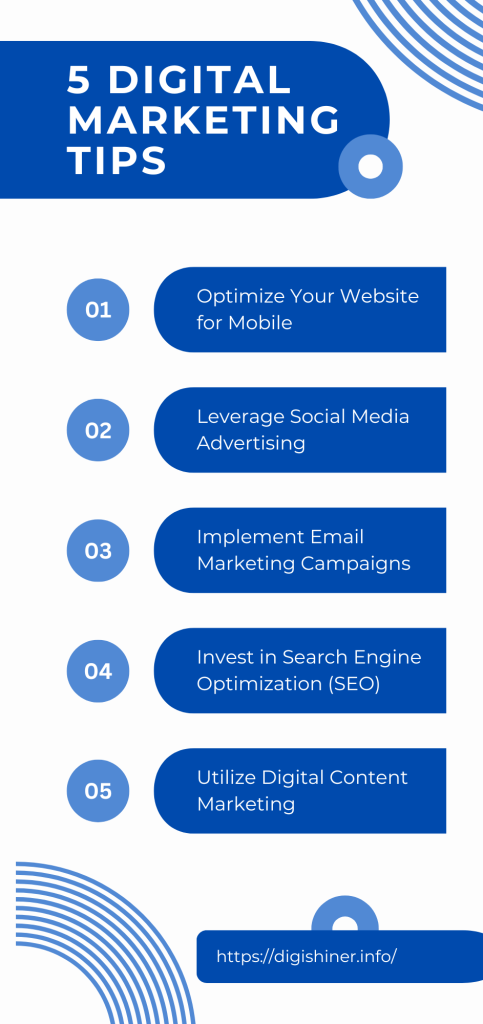
Key Components of Digital Marketing
Digital marketing is a combination of different strategies that work together to achieve business goals. Let’s explore the main components:
1. Search Engine Optimization (SEO)
SEO is the process of improving a website’s visibility on search engines. When people search for products or services online, they usually click on the top results. SEO helps your website rank higher, increasing your chances of attracting visitors.
It involves optimizing keywords, improving website speed, creating quality content, and ensuring a user-friendly experience.
2. Content Marketing
Content marketing focuses on creating valuable and relevant content to attract and engage an audience. This includes blogs, videos, infographics, and social media posts.
Instead of directly promoting products, content marketing provides useful information that builds trust. For example, a fitness brand may share workout tips, while a travel company may post travel guides.
3. Social Media Marketing
Social media platforms have become essential for businesses. They allow brands to connect with their audience, share updates, and build a strong online presence.
Effective social media marketing involves posting regularly, creating engaging content, and interacting with followers. It helps businesses build relationships and increase brand awareness.
4. Email Marketing
Email marketing is one of the oldest yet most effective digital marketing strategies. It allows businesses to communicate directly with their audience through personalized messages.
Companies use email marketing to share newsletters, promotional offers, and important updates. It helps in maintaining customer relationships and encouraging repeat purchases.
5. Pay-Per-Click Advertising (PPC)
PPC is a form of online advertising where businesses pay a fee each time someone clicks on their ad. These ads appear on search engines and social media platforms.
PPC campaigns are highly targeted, allowing businesses to reach specific audiences based on location, interests, and behavior. This increases the chances of conversions.
Benefits of Digital Marketing
Digital marketing offers several advantages that make it essential for modern businesses:
- Global Reach: Connect with customers anywhere in the world
- Cost-Effective: Lower cost compared to traditional marketing
- Measurable Results: Track performance in real time
- Targeted Audience: Reach specific groups of people
- Better Engagement: Direct interaction with customers
These benefits help businesses grow faster and more efficiently.

Challenges in Digital Marketing
While digital marketing is highly effective, it also comes with challenges.
One major challenge is increasing competition. Since more businesses are going online, standing out has become difficult.
Another challenge is changing algorithms. Social media platforms and search engines frequently update their algorithms, affecting visibility and reach.
Additionally, creating consistent and high-quality content requires time and effort. Businesses must stay creative and updated with trends to remain relevant.
The Future of Digital Marketing
The future of digital marketing looks promising, with new technologies shaping the industry.
Artificial Intelligence (AI) is making marketing smarter by analyzing data and predicting customer behavior. Video content, especially short-form videos, is becoming more popular due to its engaging nature.
Voice search and personalization are also gaining importance. Customers expect tailored experiences, and businesses must adapt to meet these expectations.
Staying updated with these trends is essential for long-term success.
Conclusion
Digital marketing has become the backbone of modern business growth. It offers businesses the ability to reach a wider audience, build strong relationships, and achieve measurable results.
In a world where customers are constantly online, having a strong digital presence is no longer optional — it is necessary. Businesses that invest in digital marketing and adapt to changing trends will continue to grow and succeed.
Whether you are just starting out or looking to expand your business, digital marketing provides endless opportunities. The key is to stay consistent, create valuable content, and focus on building genuine connections with your audience.